

Low Taper Fade Styles for Wavy Hair are a great choice for men who want a clean and modern look. This haircut keeps the sides and neckline neat. It also leaves enough length on top to show your natural waves. You can choose a short, textured cut or a longer style with more volume. Each option gives your hair a fresh and stylish appearance. The best part is that this haircut suits many occasions.
Your choice depends on your hair type, face shape, and personal style. Some men prefer messy waves for a relaxed look. Others like a side part or a neat finish for work and college. You can also try a fluffy top or a wavy fringe. With the right cut and simple styling products, your hair can look great every day.
What Is a Low Taper Fade?
A low taper fade is a men’s haircut that gradually shortens the hair around the sideburns, temples, and neckline.
The taper begins close to the ears and lower hairline, while the hair on top remains longer.
Unlike a high fade, which removes more hair from the sides, a low taper keeps more of your natural shape and fullness.
A traditional low taper usually leaves a soft shadow of hair at the shortest areas, although you can request a skin-level finish.
For wavy hair, this haircut creates a useful balance between a clean outline and natural texture.
The longer top allows your waves to form, while the tapered sides prevent excess bulk around the ears.
You can combine it with a textured fringe, side part, middle part, quiff, or slick back.
The result can look relaxed or polished, depending on how you style it.
Why Wavy Hair and This Cut Go Together
Natural waves add movement and volume without requiring elaborate styling.
However, wavy hair can become bulky around the ears or lose its shape when it grows unevenly.
A low taper fade removes some of that unwanted weight while preserving the wave pattern on top.
Here are its main benefits:
- Natural texture: Your waves remain the main feature of the haircut.
- Clean edges: Tapered sides, clean sideburns, and a neat neckline create a sharper appearance.
- Flexible styling: You can wear your hair messy, brushed back, parted, or forward.
- Versatile appearance: The cut can suit casual outfits, university settings, and professional environments.
- Manageable upkeep: You can often maintain the top at home while getting occasional taper touch-ups.
Your natural wave pattern also affects the result.
Loose 2A waves often benefit from lightweight products and a little root lift.
Medium 2B waves usually provide a good balance of definition and volume.
Tighter 2C waves may need extra length and careful layering to prevent excessive bulk.
17 Best Low Taper Fade Styles for Wavy Hair
Classic Wavy Low Taper Fade
The classic wavy low taper fade combines naturally flowing waves with neatly blended sides and a clean neckline.
Keep approximately 2 to 3 inches of hair on top, adjusting the length to your wave pattern and preferred shape.
This style suits men who want a balanced haircut without dramatic contrasts.
Use a small amount of lightweight styling cream to control frizz while keeping the waves soft.
Textured Wavy Low Taper Fade
A textured wavy taper fade adds separation and movement through the top.
Your barber can use point cutting or carefully placed layers to reduce bulk and create a less uniform finish.
This option works especially well for medium or thick wavy hair that tends to look heavy.
Apply a lightweight texture cream to damp hair, then shape individual sections with your fingers.
Messy Wavy Low Taper Fade
A messy wavy hairstyle creates a relaxed appearance with loosely arranged waves and clean sides.
The top should have enough length to move naturally without falling into a completely flat shape.
This cut works well for casual outfits and men who prefer a less structured finish.
Scrunch a small amount of sea salt spray into damp hair, then air-dry or use a diffuser on low heat.
Avoid adding too much product, which can make the waves look stiff or greasy.
Short Wavy Low Taper Fade
Short wavy hair with a low taper fade is a practical choice if you want a simple morning routine.
Keep the top around 1 to 2 inches long, depending on how clearly your waves appear at shorter lengths.
The tapered sides create a clean shape without requiring a completely shaved finish.
This style can suit fine or medium-density hair because shorter lengths are easier to control.
Use a light matte cream if you need extra definition.
Long Wavy Low Taper Fade
A long wavy low taper fade leaves more length on top while keeping the sideburns and neckline tidy.
Approximately 3 to 5 inches or more can provide enough length for flowing waves, depending on your hair’s natural behavior.
You can brush the top backward, sweep it sideways, or let it fall naturally over your forehead.
Ask your barber to add layers where needed instead of removing too much length.
This style is ideal for men who enjoy longer hair but still want a clean outline.
Wavy Fringe Low Taper Fade
A wavy fringe haircut brings the front sections forward over the forehead while the sides remain neatly tapered.
The fringe can be short and textured or longer and more relaxed.
This variation works well for men who prefer a youthful appearance and want their natural waves to frame the face.
It can also help balance a longer-looking face when the fringe is kept at a suitable length.
Use a small amount of curl-enhancing cream to define the front without making it look heavy.
Side Part Wavy Low Taper Fade
A side part wavy hair style combines natural movement with a more organized shape.
Your barber creates a natural part and blends the sides into the longer top.
This makes the haircut suitable for university, office settings, interviews, and formal occasions.
It works particularly well when your waves naturally fall toward one side.
Use a light styling cream or matte pomade to guide the hair without flattening its texture.
Read More:Low Taper vs Burst Fade: Which Haircut Looks Better on You?
Middle Part Wavy Low Taper Fade
A middle part divides the top into two sections, allowing the waves to fall toward either side of your face.
This look usually works best with medium or long hair because the extra length helps the part hold its shape.
The low taper keeps the haircut tidy around the ears while preserving fullness above them.
Ask your barber to maintain enough length around the front for the hair to fall naturally.
For daily styling, apply a lightweight cream and use your fingers to create the center part.
Fluffy Wavy Low Taper Fade
The fluffy wavy low taper fade emphasizes airy volume and soft, lifted waves.
The top should have enough length to create fullness without becoming difficult to manage.
This style is especially appealing if your hair naturally expands after washing or drying.
Use a lightweight mousse or volumizing product on damp hair, then lift the roots with your fingers or a diffuser.
Avoid heavy oils and thick pomades if your goal is a light, fluffy finish.
Professional Wavy Low Taper Fade
A professional wavy haircut keeps the top controlled, the sideburns neat, and the neckline clean.
You can choose a short textured top, a subtle side part, or a gently brushed-back shape.
The low taper provides a polished appearance without the strong contrast of a high fade.
This style works well for business-casual environments and situations where you want a tidy, understated haircut.
Apply a small amount of matte cream and avoid excessive volume or a stiff, wet-looking finish.
Thick Wavy Low Taper Fade
A low taper fade for thick hair helps manage excess volume around the sides while preserving fullness on top.
Your barber can use layers or point cutting to remove weight where necessary.
The goal is to improve the shape without thinning the hair so much that the waves lose their definition.
This style works with short, medium, and longer tops.
For styling, use a lightweight curl cream or texture cream to control frizz and separate the waves.
Natural Wavy Flow with Low Taper Fade
The natural wavy flow haircut focuses on your existing wave pattern instead of creating a highly structured shape.
The top remains long enough to move freely, while the low taper cleans up the sideburns and neckline.
This is a good choice if you prefer a relaxed appearance and do not want to style every strand.
Apply a lightweight leave-in product when needed and allow your hair to air-dry.
Regularly removing excess bulk can help maintain the flow without sacrificing the length you want.
Wavy Quiff with Low Taper Fade
A wavy quiff lifts the front of the hair while leaving the rest of the top textured and natural.
The low taper provides contrast without taking attention away from the volume at the front.
This variation can suit men with round or oval faces who prefer extra height.
Ask your barber to leave enough length at the front for the quiff to hold its shape.
Use a lightweight mousse and a blow-dryer on low or medium heat to lift the roots, then finish with a small amount of matte cream.
Wavy Blowout with Low Taper Fade
The wavy blowout creates fuller hair at the roots with waves that spread naturally across the top.
It works especially well for men with medium or thick hair that can hold volume.
The tapered sides keep the silhouette balanced, preventing the overall cut from looking too wide.
Your barber can add layers to help the top move without becoming excessively bulky.
Use a diffuser or a blow-dryer with a suitable attachment, and finish with a light styling product to maintain separation.
Wavy Slick Back with Low Taper Fade
A wavy slick back directs the hair away from the forehead while preserving some natural movement.
It offers a more refined alternative to a messy or fluffy hairstyle.
The top generally needs enough length to stay directed backward without excessive pulling.
Ask your barber to retain the natural wave pattern rather than cutting the top too short or making it completely flat.
A lightweight matte pomade or styling cream can provide control while keeping the finish natural.
Wavy Mullet with Low Taper Fade
A wavy mullet combines shorter, tapered sides with a longer back and textured waves on top.
The contrast creates a more expressive look than a traditional low taper.
This style works well for men who want something modern and distinctive without removing all the length at the back.
Ask your barber for a balanced transition between the top, sides, and back so the cut does not look disconnected unless that is your preference.
Light styling cream helps define the waves while allowing the longer sections to move naturally.
Mid Taper Fade
A mid taper fade starts higher around the temples and sideburns than a traditional low taper.
It creates a more noticeable contrast between the sides and the longer hair on top while keeping the overall haircut balanced.
For wavy hair, a mid taper works well with textured tops, messy waves, and short quiffs.
Choose this style if you want a sharper appearance without going for a high fade.
Taper Fade Low
A taper fade low keeps the shortest sections close to the ears and neckline while leaving more hair around the upper sides.
This classic option creates a subtle transition that works with short, medium, and long hairstyles.
You can pair it with a side part, textured fringe, or natural wavy flow.
Ask your barber to keep the taper low and blend the sides gradually for a clean, natural finish.
Low Taper Wavy Hair
A low taper wavy hair style combines natural waves on top with neatly tapered sideburns and a clean neckline.
The top can be short and textured or long enough to create a flowing appearance.
This haircut works well for men who want to show their natural wave pattern without allowing the sides to become too bulky.
Use lightweight styling cream to define the waves and reduce frizz without weighing down your hair.
Low Taper Haircut
A low taper haircut is a versatile men’s hairstyle that gradually shortens the hair around the sideburns and neckline.
Unlike a high fade, it preserves more length around the sides and creates a softer transition.
You can customize the top with a textured crop, quiff, side part, or middle part.
For wavy hair, ask your barber to preserve enough length for your natural texture to remain visible.
Short Hair Taper Fade for Black Men
A short hair taper fade for Black men combines closely trimmed sides with a short top and clean edges.
It can work with natural waves, short curls, or textured hair, depending on the desired finish.
A low taper creates a subtle transition around the temples and neckline without removing too much hair from the sides.
For a natural-looking result, discuss your preferred top length, hairline shape, and taper height with a barber experienced in your hair texture.
Taper Cut Fade
A taper cut fade blends shorter hair around the sideburns and neckline into longer hair above.
The exact finish depends on how high the taper begins and how closely the shortest sections are cut.
For wavy hair, this haircut can provide a clean outline while allowing the top to maintain its volume and movement.
You can choose a soft shadow finish for a natural appearance or a closer finish for sharper definition.
Low Taper Fade Curly Hair
A low taper fade curly hair style keeps natural curls or tight waves on top while cleaning up the sideburns and neckline.
Although curls and waves have different patterns, both can benefit from a gradual taper that reduces bulk around the ears.
Ask your barber to leave enough length for your curls to retain their shape and avoid excessive thinning.
A lightweight curl cream can help define the texture and manage frizz.
Mid Taper vs. Low Taper: Which Should You Choose?
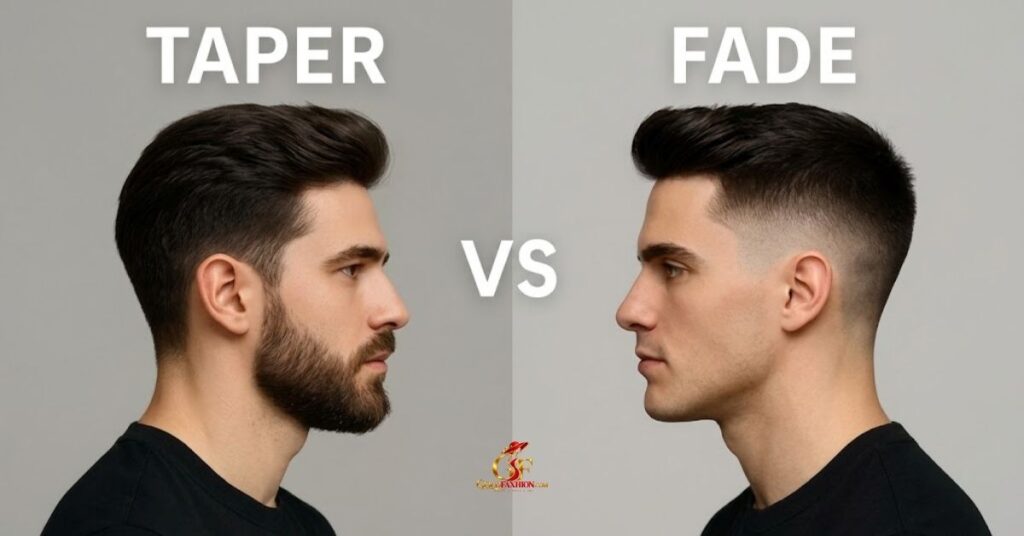
A low taper creates a subtle, understated finish, while a mid taper produces a more noticeable transition around the sides.
Choose a low taper if you prefer a conservative haircut that emphasizes your natural waves.
Choose a mid taper if you want more contrast and a sharper overall shape.
Both options can work well with wavy hair, so consider your preferred appearance, hair density, and styling routine before making a decision.
Textured Wavy Crop with Low Taper Fade
The textured wavy crop features a shorter top with defined movement and a slightly forward direction.
It offers a useful alternative to longer hairstyles if you want texture without spending much time styling.
The low taper keeps the sides clean while the textured top creates visual interest.
Your barber can use point cutting to create separation and prevent the top from looking too uniform.
Apply a small amount of matte cream or clay, then arrange the waves with your fingers.
Which One Is Right for You?
The best low taper fade for wavy hair depends on your hair density, face shape, and preferred styling routine.
Use these general recommendations as a starting point.
- For fine hair: Choose a short wavy fade or textured crop to avoid weighing down the top.
- For thick hair: Try a textured taper, wavy blowout, or layered long top to manage bulk.
- For longer hair: Consider a middle part, natural flow, or wavy slick back.
- For a professional setting: Choose the classic taper, side part, or professional wavy haircut.
- For a relaxed look: Try the messy, fluffy, or natural flow variation.
- For extra height: A wavy quiff or blowout can create more volume at the front.
Face shape can also influence your choice, but it should not be the only deciding factor.
A round face may benefit from moderate height, while a longer face may look balanced with a forward fringe and less height on top.
Oval faces can generally accommodate a wide range of styles.
Your natural growth pattern, comfort, and styling preferences matter just as much.
Talking to Your Barber
Clear instructions help your barber understand exactly what you want.
Instead of simply asking for a low fade with wavy hair, explain the taper height, top length, and finish you prefer.
You can use this script:
“I want a low taper fade that starts just above my ears and blends cleanly into the neckline. Please leave enough length on top to show my natural waves. Keep the shape natural, remove bulk only where needed, and avoid taking the fade too high.”
Then specify your preferred variation, such as a messy top, side part, textured fringe, or longer flow.
Bring a reference photo if possible because hairstyle names can mean different things to different barbers.
Also mention whether you want a soft shadow, a skin-level finish, or a natural neckline.
If your waves shrink noticeably as they dry, ask your barber to account for that when choosing the top length.
Keeping It Looking Good
A wavy hair taper looks its best when you maintain the shape without over-styling the top.
Follow these simple habits:
- Use a gentle shampoo. Wash according to your scalp’s needs instead of following a rigid schedule.
- Condition regularly. Conditioner can help reduce dryness and improve manageability.
- Style damp hair. Apply a small amount of lightweight cream or mousse after washing.
- Preserve your natural texture. Scrunch the waves or arrange them with your fingers instead of brushing them flat.
- Dry carefully. Air-dry or use a diffuser with moderate heat to limit unnecessary frizz.
- Schedule touch-ups. Many men prefer a taper cleanup every two to four weeks, depending on how quickly their hair grows.
The best products for wavy hair are the ones that suit your density and desired finish.
Sea salt spray can add texture, while curl-enhancing cream can improve definition.
Matte pomade provides more control for a side part or slick back.
Start with a small amount of product and add more only when necessary.
Mistakes Worth Avoiding
Even a good haircut can disappoint if the cut or styling does not suit your natural texture.
Avoid these common mistakes:
- Choosing the wrong taper height: A higher fade removes more side length than a traditional low taper.
- Cutting the top too short: Your waves may need additional length to form clearly.
- Removing too much bulk: Excessive thinning can leave thick waves uneven or frizzy.
- Using heavy products: Too much pomade or oil can weigh down fine waves and reduce volume.
- Ignoring the neckline: An untidy neckline can make an otherwise sharp haircut look overgrown.
- Expecting every reference photo to match: Your hair density, growth direction, and wave pattern affect the final result.
Remember that a low taper fade is a foundation, not a complete styling plan.
The top length and cutting technique determine whether the finished haircut looks textured, fluffy, formal, or relaxed.
Conclusion
The best low taper fade styles for wavy hair combine clean edges with natural movement.
Whether you prefer a classic cut, messy waves, a textured fringe, a middle part, or a longer wavy flow, you can customize the haircut to match your hair type and lifestyle.
Start by choosing a top length that allows your waves to form naturally.
Then ask your barber to keep the taper low, preserve the texture, and remove bulk only where necessary.
Use lightweight styling products and maintain the neckline and sideburns to keep the cut looking neat.
With the right combination of length, shape, and care, a low taper fade with wavy hair can provide a versatile look that works for everyday wear and more formal occasions.
Frequently Asked Questions
Is a low taper fade good for wavy hair?
Yes, a low taper fade works well with wavy hair because it cleans up the sides while preserving natural movement and volume on top.
How long should the top be?
Around 2 to 3 inches is a useful starting point, although shorter or longer lengths may work better depending on your wave pattern.
Does it work with thick wavy hair?
Yes, thick wavy hair pairs well with a low taper fade because the shorter sides reduce bulk while layers help the top maintain its shape.
Is this haircut professional?
Yes, a classic low taper with a neat side part or controlled textured top can look professional in many workplaces and formal settings.
How often should I get a trim?
Many men schedule a taper cleanup every two to four weeks, but your ideal schedule depends on hair growth and how sharp you want the edges.
Can I get this with long wavy hair?
Yes, you can keep several inches of length on top and pair it with a low taper for a flowing, middle-parted, or brushed-back hairstyle.
Which products work best for wavy hair?
Lightweight styling cream, mousse, and curl-enhancing cream work well for many wave patterns, while matte pomade offers extra control for polished styles.
What is the difference between a low taper and a mid taper fade?
A low taper starts close to the ears and neckline, while a mid taper begins higher around the temples, creating a more noticeable transition.
Can I get a low taper fade with a wavy fringe?
Yes, a wavy fringe pairs well with a low taper because the forward-facing texture contrasts with the clean, blended sides.
How do I style a low taper fade with wavy hair?
Apply a small amount of suitable styling product to damp hair, shape the waves with your fingers, and air-dry or use a diffuser for added definition.
Noah Daniel Davis is a passionate fashion writer with experience in fashion trends, styling, beauty, and lifestyle. He enjoys creating simple, practical content that helps readers discover new styles and express their individuality with confidence.
