

Want a fresh haircut that matches your style and makes you look your best? Choosing the right taper fade can make all the difference. A low taper gives you a clean, natural look. A mid taper adds a modern touch. A high taper creates a bold, sharp finish. But which one suits your hair, face shape, and daily routine?
Low vs Mid vs High Taper Fade comes down to where the blend starts and how much contrast you want. A low taper keeps the sides fuller, a mid taper offers a balanced look, and a high taper delivers a more defined style. Each option has its own appeal. In this guide, you’ll discover the key differences, explore the best styles for your hair type, and learn how to choose the right taper fade for you.
What Is a Taper Fade?
A taper fade is a men’s haircut that gradually blends longer hair into shorter hair around the sideburns, temples, and neckline. This gradual hair blending creates clean edges while allowing you to keep your preferred length and hairstyle on top.
The main difference between low, mid, and high taper fades is the starting point of the blend. A low taper begins close to the ears and neckline, a mid taper starts higher around the sides, and a high taper creates a more noticeable transition toward the temples.
A taper fade works with straight, wavy, curly, and coily hair. You can also customize it with different clipper guard sizes, a textured crop, a quiff, a buzz cut, or longer curls.
- Low taper fade: Best for a subtle, natural appearance.
- Mid taper fade: Best for a balanced, versatile haircut.
- High taper fade: Best for a sharp, high-contrast style.
Remember that fade height and finish are two different things. You can ask for a low, mid, or high taper with a natural shadow finish, short stubble, or a skin finish, depending on your preference.
Taper vs Fade
A taper and a fade both involve gradually shortening the hair, but they differ in how much of the sides and back are blended.
A classic taper focuses mainly on the sideburns and neckline, leaving more length around the sides. A full fade generally extends the shorter blending across a larger section of the sides and back.
A taper fade combines elements of both by creating a clean transition around the edges while retaining more length above the tapered areas.
| Feature | Taper | Taper Fade | Full Fade |
| Hair blending | Mainly sideburns and neckline | Focused on the perimeter | Extends across more of the sides and back |
| Overall appearance | Classic and natural | Clean and modern | Sharp and noticeable |
| Side fullness | More hair retained | More hair retained above the blend | More hair removed |
| Contrast | Usually subtle | Depends on height and finish | Often more pronounced |
A skin fade or bald fade describes how short the hair gets, not where the fade starts. A low, mid, or high fade can all be combined with a skin finish.
Low Taper Fade
A low taper fade is the most understated option in the low vs mid vs high taper comparison. The blending stays close to the natural hairline around the sideburns and neckline, leaving most of the sides fuller.
This style is ideal if you want a clean haircut without making the sides look extremely short. It also works well with classic hairstyles, textured tops, curls, and beards.
How It Looks
The shortest blending starts just above the ears and stays low around the nape. The transition is subtle, creating a natural appearance from the front and sides.
A low taper fade with a textured top adds movement without removing too much weight from the sides. You can also pair it with a side part, wavy hair, or a curly fringe.
Read More: Best Haircuts for Diamond Face Shape (Male)
Best For
A low taper haircut for men is a good choice for:
- Men who prefer a subtle, professional hairstyle.
- People who want to keep more length around the sides.
- Straight, wavy, curly, and coily hair textures.
- Men who want a natural transition between their haircut and beard.
- Anyone looking for a versatile style that suits casual and formal settings.
Pros
- Creates a clean appearance without looking overly dramatic.
- Preserves more fullness around the sides.
- Usually grows out gradually.
- Works with short, medium, and longer hairstyles.
- Offers a good starting point for anyone new to fades.
Cons
- Creates less contrast than a mid or high taper.
- May not remove enough bulk from very thick sides.
- Can look too subtle if you prefer a bold, high-contrast haircut.
Mid Taper Fade
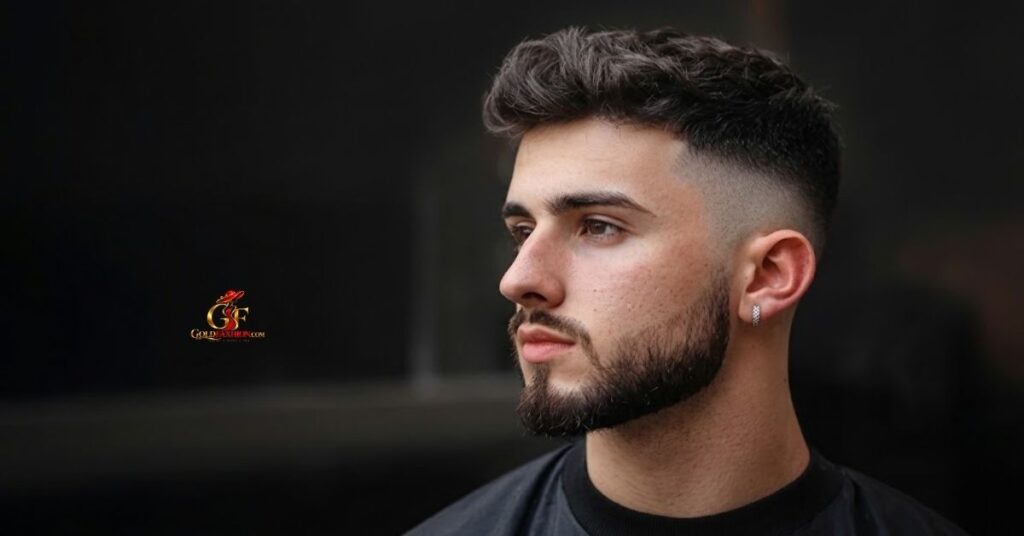
A mid taper fade sits between the low and high options, making it a popular choice for men who want a noticeable but balanced haircut.
The blend starts higher around the sides, often near the temple area, while the top retains its preferred length. It provides more definition than a low taper without the stronger contrast of a high taper.
If you’re unsure about the low taper vs medium taper decision, a mid taper can be a practical middle ground.
How It Looks
The blending starts higher than a low taper, making the transition more visible. The sides look more structured, but the haircut can still appear natural when the barber blends the hair carefully.
A mid taper fade with curly hair emphasizes the curls on top while keeping the sides neat. It also complements textured crops, short quiffs, and modern hairstyles with volume.
Best For
A mid taper haircut for men is suitable for:
- Men who want a balance between subtlety and contrast.
- Most straight, wavy, curly, and coily hair types.
- People who want a versatile everyday hairstyle.
- Men with thick hair who want additional shaping around the sides.
- Anyone who wants a modern haircut for casual and professional settings.
Pros
- Offers a balanced appearance without looking too conservative.
- Works with a wide range of hairstyles and textures.
- Creates a more defined outline than a low taper.
- Helps reduce unwanted bulk around the sides.
- Provides noticeable contrast without going extremely high.
Cons
- May need more frequent touch-ups than a low taper.
- Removes more side fullness than some people prefer.
- Can look too sharp if the barber takes the blend higher than requested.
High Taper Fade (Bold & Sharp)
A high taper fade is designed for men who prefer a sharper, more defined appearance. The blending starts higher around the temples, creating stronger contrast between the top and the shorter areas.
Compared with a low taper vs high taper, the high version generally removes more visible bulk from the upper sides. However, a high taper still focuses on the tapered areas rather than automatically becoming a full high fade.
How It Looks
The shorter blending sits higher on the head, making the transition more noticeable. This creates a bold outline and helps the hairstyle on top stand out.
A high taper fade with short hair can look clean and athletic, while a longer textured top creates stronger contrast. Curly tops, coils, twists, and buzz cuts can also work well with this style.
Best For
A high taper haircut for men works well for:
- Men who want a bold, sharp, modern look.
- People who prefer strong contrast between the top and sides.
- Men with thick hair who want to reduce side bulk.
- Short crops, buzz cuts, textured tops, and curly hairstyles.
- People who prefer a defined look and don’t mind regular maintenance.
Pros
- Creates the strongest contrast of the three taper heights.
- Gives short hairstyles a clean, defined outline.
- Can help manage bulky sides.
- Pairs well with textured tops and carefully shaped beards.
- Offers a sharp appearance for men who enjoy frequent grooming.
Cons
- Can emphasize scalp visibility or uneven hair density.
- Often requires more frequent touch-ups to maintain its sharp appearance.
- Leaves less room for adjustment once the hair is cut high.
- May make a long or narrow face appear longer if paired with excessive height on top.
Low vs Mid vs High Taper Fade: Quick Comparison
The biggest difference between these three men’s taper fade haircuts is the placement of the blend. Lower placement keeps more fullness on the sides, while higher placement creates stronger contrast.
| Feature | Low Taper Fade | Mid Taper Fade | High Taper Fade |
| Fade height | Near ears and neckline | Around the middle of the sides | Higher around the temples |
| Overall look | Subtle and natural | Balanced and modern | Bold and sharp |
| Side fullness | Most fullness retained | Moderate fullness | Less fullness near the blend |
| Contrast | Low | Medium | High |
| Maintenance | Usually less frequent | Moderate | Usually more frequent |
| Best choice for | Classic, natural styles | Versatile everyday styles | Bold, defined styles |
Which Taper Fade Should You Choose?
Choose your taper based on your preferred appearance, hair texture, face shape, and grooming routine.
- Choose a low taper fade if you want a natural haircut that keeps the sides fuller and grows out gradually.
- Choose a mid taper fade if you want a noticeable but balanced blend that works with many hairstyles.
- Choose a high taper fade if you prefer strong contrast, shorter sides, and a sharper appearance.
Your hair type also matters. Thick hair may benefit from additional blending to reduce bulk, while fine hair may look fuller when more length is preserved. Curly and coily hair can work with all three heights when the barber follows the natural curl pattern.
Face shape can help guide your decision, too. Oval faces generally suit a wide range of styles. Round faces may benefit from added height on top, while oblong faces often look balanced with fuller sides and less height.
Choose a High Taper Fade If:
A high taper fade is worth considering if you:
- Prefer a bold, modern haircut.
- Want stronger contrast between the top and sides.
- Like short crops, buzz cuts, curls, or textured hairstyles.
- Want to reduce excess bulk around the sides.
- Don’t mind regular barber visits to maintain a sharp finish.
If you’re comparing high low taper styles, remember that a high taper makes the transition more noticeable, while a low taper keeps the overall appearance understated. A mid taper sits between the two.
What to Tell Your Barber
Explaining your preferences clearly helps your barber create the haircut you actually want.
Follow these steps:
- Choose the height: Specify a low, mid, or high taper fade.
- Describe the finish: Decide whether you want a natural shadow, visible stubble, or a skin finish.
- Explain the side length: Tell your barber how much fullness you want to retain.
- Describe the top: Mention your preferred length, curls, fringe, quiff, or textured crop.
- Bring reference photos: Use front, side, and back views to show the overall shape you prefer.
For example, you can say, “I’d like a mid taper fade with a natural blend around the temples and neckline, a textured top, and enough length on the sides to keep the haircut balanced.”
If you’re unsure about low taper vs medium taper, ask your barber to start conservatively. It’s easier to move the blend higher during a haircut than to restore hair that has already been cut.
Maintenance & Styling Tips
A taper fade looks its best when the blending stays clean and the top suits your hair texture.
Follow a realistic maintenance schedule. As a general guide, consider touch-ups every three to five weeks for a low taper, three to four weeks for a mid taper, and two to three weeks for a high taper. These intervals are estimates. Hair growth, the shortest length, and your preferred level of sharpness affect how often you need a trim.
Use products that suit your hair.
- Straight hair: Try a lightweight styling cream or matte paste.
- Wavy hair: Use a light styling cream to define natural movement.
- Curly hair: Apply curl cream or leave-in conditioner to maintain definition.
- Coily hair: Choose a moisturizing product that supports your natural texture.
- Fine hair: Use lightweight products that add texture without weighing down the roots.
Protect the shape between appointments. Avoid trimming the blend yourself unless you’re comfortable using clippers. Keep your scalp clean, condition your hair as needed, and ask your barber whether a natural or sharply defined hairline suits your style.
Remember, fade height doesn’t determine the finish by itself. A low skin fade can look sharper than a high taper that leaves more length at the base. Discuss both choices before your haircut begins.
Final Thoughts
Choosing between a low taper fade, mid taper fade, and high taper fade comes down to how subtle or bold you want your haircut to look.
A low taper is ideal for a natural, low-maintenance appearance. A mid taper offers a versatile balance of definition and fullness. A high taper suits men who prefer a sharper finish and stronger contrast.
If you’re comparing low taper vs mid taper or mid vs low taper, start by deciding how much hair you want to retain around the sides. Then consider your hair texture, face shape, preferred top length, and maintenance routine.
The best taper fade is the one that complements your features and fits your lifestyle. Bring a reference photo to your barber, explain your preferred blend height, and discuss the finish before the clippers come out.
Frequently Asked Questions
What Is a Mid Taper Fade?
A mid taper fade gradually shortens the hair around the middle of the sides, often near the temples, creating more contrast than a low taper while keeping the overall look balanced.
Low Taper Fade vs Low Fade: What Are the Key Differences?
A low taper usually concentrates the shortest blending around the sideburns and neckline, while a low fade generally extends the gradient farther across the lower sides and back.
Is a Taper Fade Good for Curly Hair?
Yes, a taper fade works well with curly hair because it cleans up the edges while preserving natural curls on top, and you can choose the height that best suits your preferred style.
Which Taper Fade Lasts Longer?
A low taper generally grows out more gradually, while a high taper often needs more frequent touch-ups because its sharper contrast becomes less defined as the hair grows.
Is a Taper Fade Professional?
Yes, a taper fade can look professional, especially when the blending is clean, the neckline is neat, and the top is styled appropriately for your workplace.
Noah Daniel Davis is a passionate fashion writer with experience in fashion trends, styling, beauty, and lifestyle. He enjoys creating simple, practical content that helps readers discover new styles and express their individuality with confidence.
